

BECOMING RENEWABLE
Becoming Renewable
In the food and beverage industry, transitioning a factory to renewable and sustainable heat energy sources is essential for reducing environmental impact.
Waste heat recovery systems can capture and repurpose excess heat from production processes, ensuring that energy is used efficiently and minimizing the need for external energy inputs. These strategies, combined with the adoption of energy-efficient technologies and rigorous energy management practices, can significantly lower a factory’s carbon footprint and reduce reliance on fossil fuels, reduce operating costs, and contribute to the long-term sustainability of the food and beverage industry.
STEP 1 – Energy Audit

We conduct a comprehensive energy audit of your plant to identify and quantify all heat energy consumers and machines that emit waste heat.
Heat energy can be recovered from residual heat from consumers and waste heat-emitting equipment such as bottle washers, CO2 compressors, Air compressors, cooling systems, … .
STEP 2 – Energy Concept
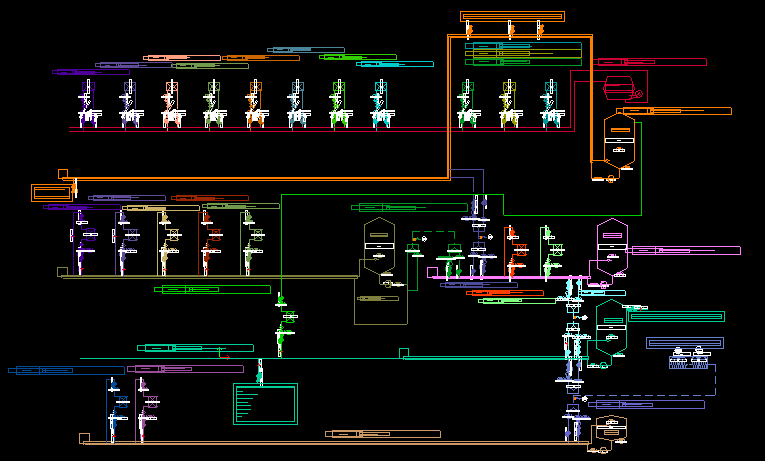
We develop a tailored energy solution implemented in multiple phases.
The process starts with waste heat recovery, utilized for producing warm and hot water.
The final phase involves steam generation, eliminating the need for a traditional fossil-fuel-based steam generator.
STEP 3 – Budgeting & Planning

The next phase involves budgeting and planning the implementation of each stage.
We provide detailed budgets for all necessary equipment and act as a mediator between you and suppliers, ensuring subcontractors recommend the most suitable heat pumps and other essential components for your project.
STEP 4 – Implementation & Guidance
Once the process begins, we oversee and coordinate the subcontractors to ensure seamless operations, avoiding production interruptions and ensuring everything is executed properly.
